
The Bored Brain
What I did when I had nothing to do - a story about flying saucers

My husband has discovered sailing.
This means he has a great deal to learn in a relatively short time, given that he is not twenty years old with six decades ahead of him to master it. So from time to time, when I choose not to join him as his first sea woman, I have the rare privilege of being alone.
Do not misunderstand. I love him. I would not exchange him for anything. But these short separations are full of something I can only describe as luxury. I answer to no one. I eat when I want. I sleep as long as I need. The cats and I run the house on our own schedule, which turns out to be no schedule at all. But it works as perfectly as if there was.
Last Sunday at family lunch, my beloved aunt - the mother I always wanted, and I mean that entirely as a compliment to her - looked at me across the table and said it.
“If you get bored, come over and we’ll take care of you.”
I appreciated the invitation. I will go. I always love seeing her.
But bored?
I looked at her, puzzled. These two weeks had been the most productive I can remember in a long time. Next to my work as Head of Communication with a lot of new ideas implemented, I read four books. Johann Hari’s Stolen Focus. Creative Confidence by the Kelley brothers. Rick Rubin’s The Creative Act: A Way of Being. My favorite? Hari of course! And yesterday I started Matteo di Pascale’s new book on living a creative life. I took long walks without talking to anyone. I did a full detox: no coffee, no television, no sugar, no carbohydrates, no alcohol. Yoga. My matcha ritual in the morning. Home-made Ice tea instead of Rosé. And, of course, worked on my book. Seems like enough to do. And the freedom was my fuel.
No cold turkey. Which gave me the answer to my question if I am dependent on those things or if I still have my free will.
It felt good. Clarifying, in the way that removing noise always clarifies. The body reset. The mind followed.
The idea that this schedule might produce boredom had, indeed, never occurred to me.
Boredom, it turns out, is not what happens when there is nothing to do. It is what happens when a brain trained on constant stimulation is suddenly asked to sit with itself. The discomfort can be real. But if you let it happen, it is the beginning of something precious.
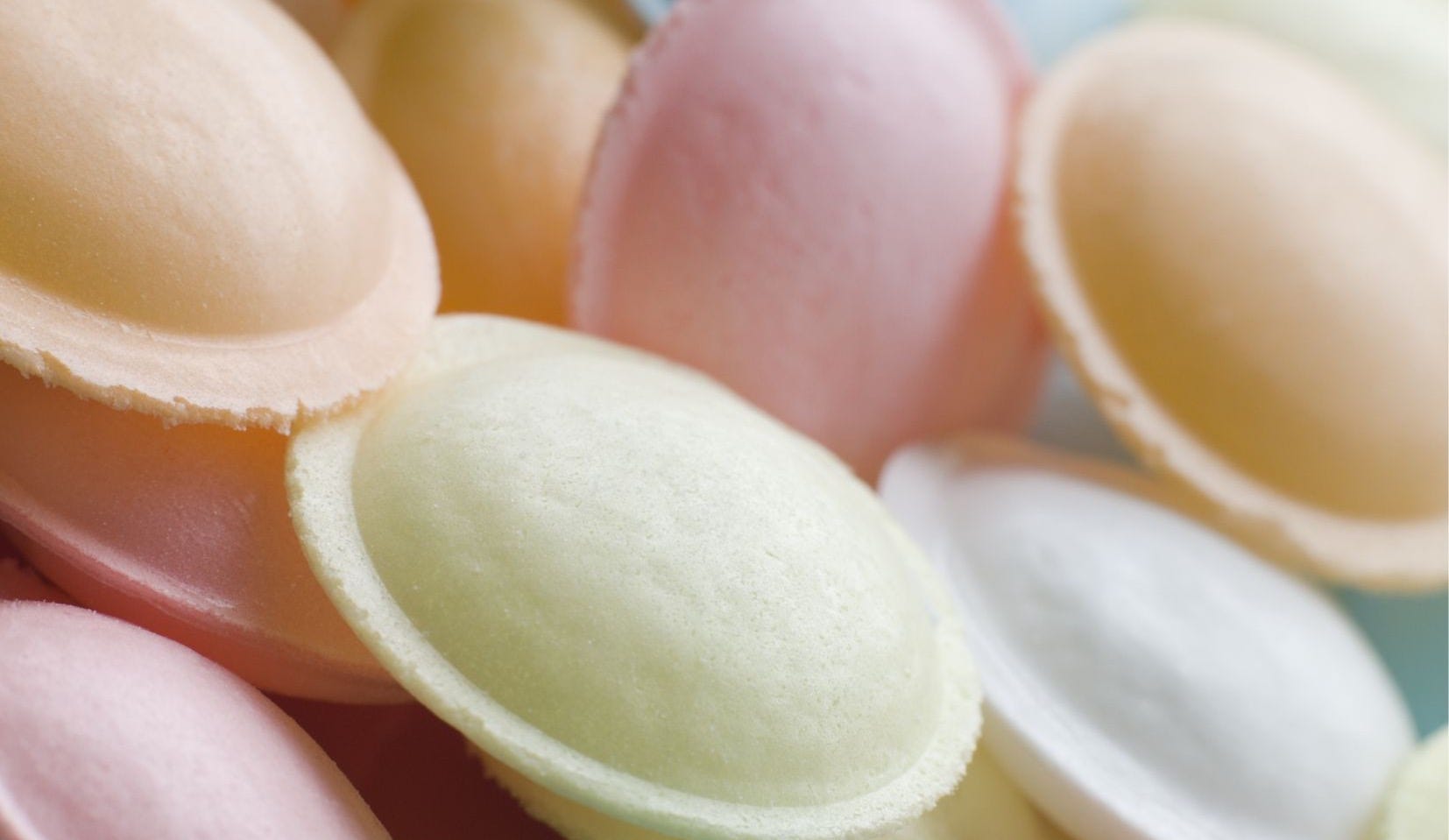
Do you remember those sweets from childhood - the flying saucers? A thin wafer shell filled with sherbet powder that fizzled and prickled the moment it dissolved on your tongue. That. But in your head. An idea arrives and the head tingles with it. It tends to happen in the quietest moments. Rested. Walking. Daydreaming. The mind not hunting for anything in particular, and suddenly an idea, like lightning, loud and clear. I call it “Kribbeln im Kopf”.
Johann Hari documents what attention researchers have been saying for years. The mind needs unstructured time. Not scheduled relaxation. Not a meditation app with a timer. Genuine, unprogrammed space where nothing is required and nothing is optimized. That is where the default mode network activates. Where unexpected connections surface. Where the idea you didn’t know you had announces itself without warning.
We have systematically eliminated that space.
The phone fills the gap between two thoughts. The podcast or e-book fills the commute. The series fills the evening. Every idle moment is an opportunity the attention economy cannot afford to leave unexploited. Boredom has been engineered out of daily life with extraordinary precision. Not because it is bad for us. Because it is bad for the business model.
The researchers Hari interviewed were unanimous. Creative breakthroughs do not happen during focused work. They happen in the spaces between. The shower. The walk. The half-awake morning moment before the day begins. The two weeks your husband spent learning to sail. So I had my beloved flashcards and textmarkers everywhere. The reading terrace. The bathroom. The kitchen. Flashcards - to me - are an essential tool to connect ideas.
My aunt was not wrong to offer company. She was being kind, as she always is.
But the assumption behind the offer - that alone means lonely, that quiet means boredom, that a woman with a free weekend needs rescuing from it - that assumption is worth examining.
We have confused boredom with rest. We have confused rest with laziness. We have confused laziness with failure. The chain runs fast and mostly unexamined.
Today I am picking Marc up from the airport. I am genuinely happy about this. The cats and I are ready to be a little more social again. The house has been quiet long enough. I’ll put the flashcards into my box. Everything is tidy, clean, organised - as if it had happened on schedule.
I am also arriving at that airport as a slightly different person than the one who dropped him off two weeks ago. Four books. Long walks. A body that remembered what it feels like without the usual noise.
Not bored for a single minute.
Just working. Quietly. On myself.
I wish you a wonderful Sunday.
Next week: most probably… the fox on the road. If there is not another sponaneous idea that’s imposing itself.
Thank you for your enthusiasm - it means a lot to me. I am still new to this platform, so the feeling of having reached a person the way I reached you, makes me feel good. There are people. like my aunt in the text for example, who cannot bear solitude. I do however and I sincerely hope that you'll find back your moments, even if it's just a half an hour dog walk without having to talk to anyone.
Wow!!! How much I enjoyed reading this piece. Thank you! 💜 I am a first time mom (of a 2yo), doing a postgrad, clinical internships, supervision, step kids, husband, home. How much I miss just journaling, walking on the woods with the dogs while talking to myself, reading books because I want not because I need to research or write papers about them. Gosh, i miss having the kind of boredom you described 😅